
40ft double door
40ft Double Door Dimensions
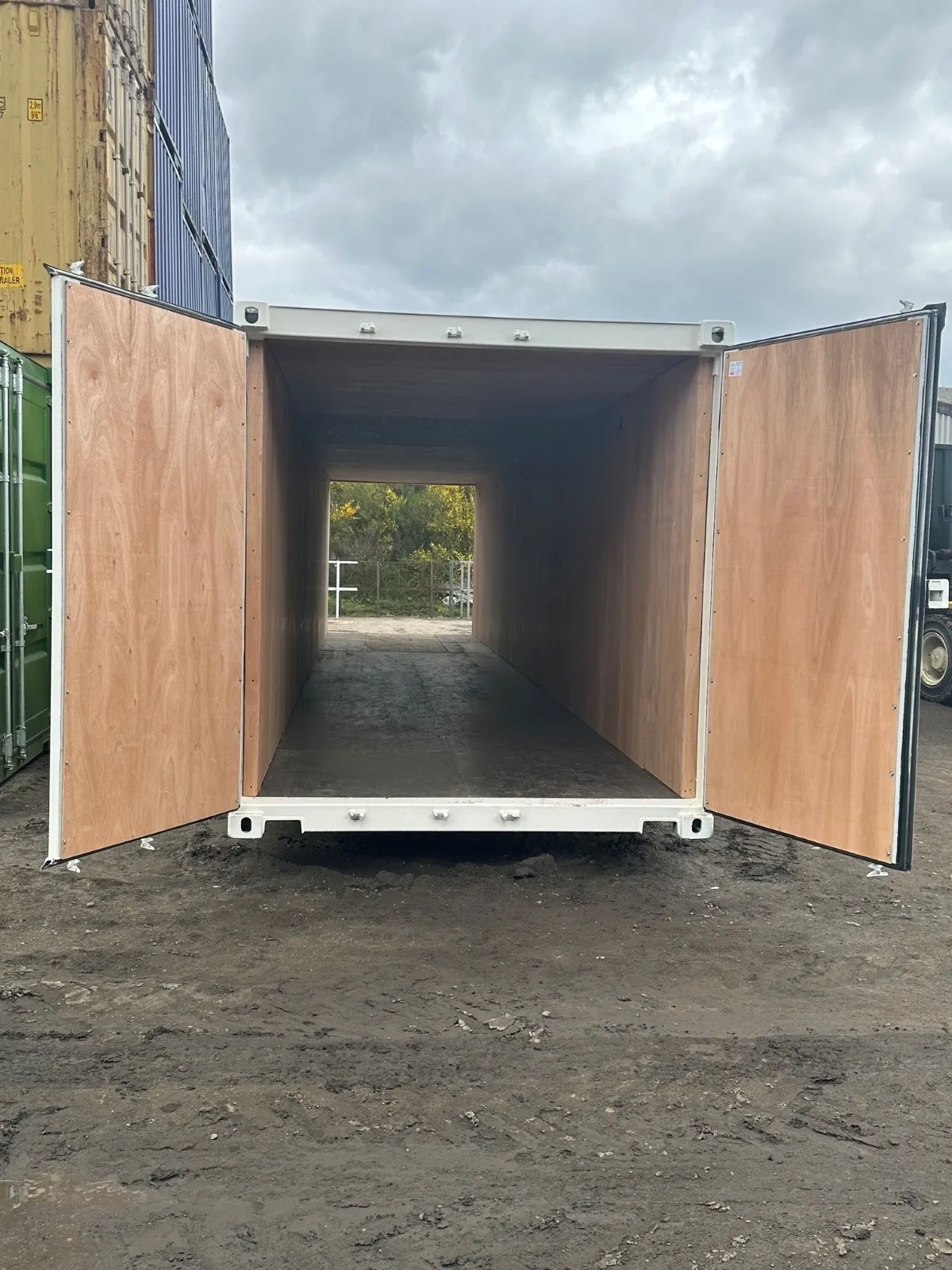
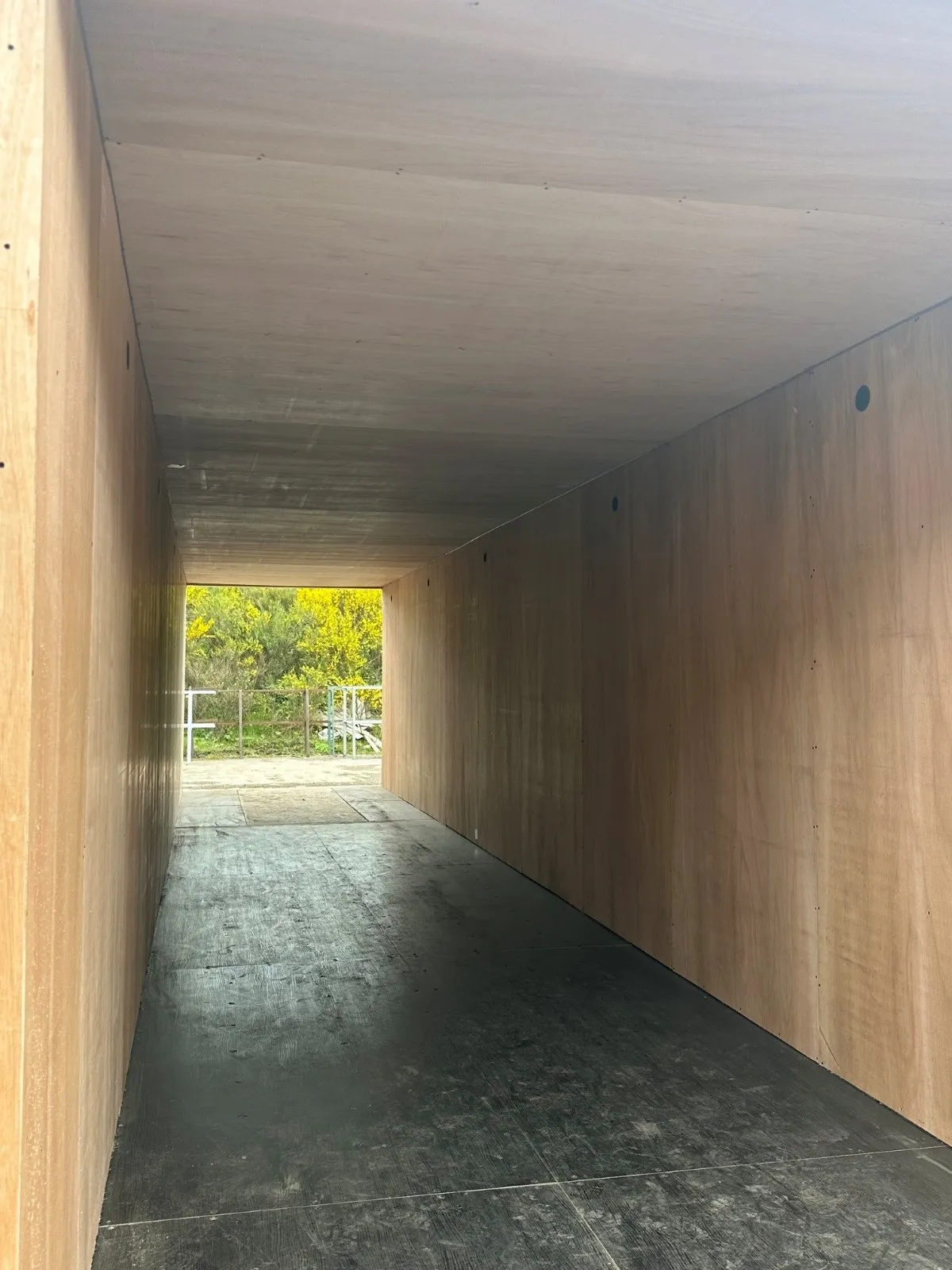
Shipping Containers of London stocks and delivers 40ft double door shipping containers across Greater London and the Home Counties. These units feature full sets of opening corrugated steel doors at both short ends of the structure, rather than just one end. This double-ended configuration allows your teams to load stock on one side and discharge it on the other, creating an efficient stock management system. These structures serve as flexible walk-through pedestrian tunnels on large building sites, heavy tool depots, and bases for complex engineering conversions.
External and Internal Space Dimensions
Planning your ground space and calculating storage volume requires exact external and internal measurements. Internal width and length are slightly reduced compared to standard designs due to the recess for the additional rear door lock mechanisms.
| Measurement Type | Metric Units | Imperial Units |
|---|---|---|
| External Length | 12,192 mm | 40ft 0in |
| External Width | 2,438 mm | 8ft 0in |
| External Height | 2,591 mm | 8ft 6in |
| Internal Length | 12,032 mm | 39ft 5in |
| Internal Width | 2,352 mm | 7ft 9in |
| Internal Height | 2,393 mm | 7ft 10in |
The clear entry door aperture is critical when loading large pallets via forklift. The door clearance width is 2,340 mm, and the door clearance height is 2,280 mm at both ends. You must provide clear ground clearance at both ends of your site footprint to allow the double doors to swing open 270 degrees against the outer sides of the container walls.
Weight Boundaries and Material Specifications
Every industrial container includes weight ratings permanently stamped onto its safety data plate. These technical values confirm the safe legal operating weights for haulage, stacking, and lifting operations.
| Technical Metric | Weight / Capacity Limit | Definition |
|---|---|---|
| Tare Weight | 3,950 kg | The unladen weight of the empty steel shell structure. |
| Maximum Payload | 26,530 kg | The maximum allowable weight of the internal contents. |
| Maximum Gross Weight | 30,480 kg | The absolute total structural limit of the container plus cargo. |
| Internal Cubic Capacity | 67.7 cubic metres | The net structural storage volume (2,391 cubic feet). |
The core framework relies on high-tensile structural steel panels that resist external impact. The floor uses a 28mm marine plywood deck laid over heavy steel cross members. This floor surface withstands repeated forklift wheel traffic and heavy commercial equipment without buckling or splitting.
Sales and Hire Guide Pricing Ranges
Shipping Containers of London offers flexible payment terms based on your commercial terms. Use these price ranges to evaluate whether an outright asset purchase or a short-term hire plan matches your company's budget guidelines.
| Transaction Type | Guide Cost Range | Billing Term Details |
|---|---|---|
| Outright Purchase | £4,000 to £4,500 | One-off asset cost plus delivery based on grade. |
| Daily Commercial Hire | £5.00 to £6.00 | Calculated daily rate based on current depot stock. |
| Monthly Storage Hire | £150 to £180 | Invoiced in advance with a standard 12-week minimum contract. |
Hiring works well for temporary infrastructure or for infrastructure you only need during seasonal warehouse overflow. Purchasing a container outright gives you full ownership equity and lets your engineers modify the steel shell with doors, louvres, or electrical installations.
Container Condition Grades Explained
We supply containers in two primary condition categories. Both configurations guarantee weather protection, but their visual finish and structural age profiles differ significantly.
- One-Trip New Builds: These premium boxes are manufactured in overseas factories and transported by sea in a single cargo load to our local depots. They have fresh paint, minimal surface blemishes, and long structural lifespans. They are ideal for high-profile retail conversions, urban storage facilities, and international logistics.
- Used Shipping Line Units: These units are sourced from international shipping operators and are usually 10 to 15 years old. The outer panels show paint patches, scratches, panel creases, and surface rust. We inspect and guarantee every single box to ensure it is wind and watertight, keeping your building tools and stock entirely dry.
Delivery Logistics, Vehicle Clearances, and Siting
Shipping Containers of London uses specialist haulage drivers to drop the equipment directly onto your business premises. We deliver using an articulated vehicle equipped with a heavy hydraulic HIAB crane. This lorry-mounted crane lifts empty boxes from the flatbed and swivels them into place on the side of the trailer bed at a 90-degree angle.
The transport delivery vehicle needs a minimum physical route width clearance of 3.2 metres to pass safely through gates or lanes. The vertical bridge clearance height must be at least 4.5 metres when travelling with a standard container on the trailer bed. During crane lifting operations, the boom arms lift up to 10 metres into the air. The dropping zone must remain entirely clear of low-overhead telephone lines, live high-voltage power cables, overhanging trees, and roof eaves. Lorry drivers will refuse to complete a lift if they work within 20 metres of live power lines without a specific site safety risk assessment.
The ground surface must be solid, level, and stable to support vehicle outriggers and distribute the heavy weight of the steel posts. Acceptable foundation options include reinforced concrete pads, asphalt, or dry compacted gravel. You can also ask our transport driver to lower the box castings directly onto pre-prepared concrete slabs or solid timber rail sleepers. Soft soil, grass, uncompacted sand, and wet mud cannot bear the weight. Placing equipment on soft ground makes the corners sink unevenly, which twists the door frames out of alignment, jams the locking rods, and prevents the double doors from opening. Check out our full delivery guidelines to complete your ground preparation before the vehicle departs the depot.
Frequently Asked Questions
What is a CSC plate, and does this container include one?
A CSC plate stands for the International Convention for Safe Containers plate. This safety plate is required by international law and indicates that the structural frames and corner posts can support loaded weights when stacked on maritime shipping liners. We supply one-trip new builds with active CSC plates, making them fully eligible for sea freight. You can review all validation procedures on our dedicated csc plate information page.
How do you prevent condensation from damp air damaging stock?
Extreme temperature changes can cause warm air to release water droplets onto the raw metal roof panels. This internal moisture can be managed by asking us to apply Grafo-therm anti-condensation coating before dispatch. This technical spray treatment absorbs moisture and prevents it from dripping onto tools or retail goods. You can check all treatment options on our faqs overview page.
Can a HIAB vehicle lift a loaded container on our site?
No, our standard HIAB crane trucks are built to lift only empty containers. If you need to move a fully loaded container that contains inventory or machinery, you must book a specialised sidelifter truck or hire a separate mobile crane operator. Please discuss your cargo details via our container quote page to select the correct vehicle configuration.
How much notice do I need to give to cancel a scheduled delivery?
You must submit any cancellation requests in writing at least 24 business hours before the haulage truck departs from our depot yard. Cancellations made inside this 24-hour window will incur full haulage charges to cover the vehicle booking. Please read our operational agreements via our main delivery guidelines link.
What routine maintenance do the double doors require?
The heavy steel door panels require very little maintenance for long-term storage use. Your onsite staff simply need to check that the corner supports remain level over time to prevent frame twist. We recommend cleaning the external rubber gaskets and lubricating the locking rod cams and outer hinges with high-grade industrial grease once a year to keep the mechanisms turning freely.
A few of our Trustpilot reviews.
Amazing Service
Jeremy and the Team were very easy to work with. extremely quick to respond to our needs and the overall delivery was spot on. The container supplied was brand new and exceptionally clean, ready for our items to be stored safely and securely.
What a refreshing experience
What a totally, refreshingly, brilliant company to deal with. They do what they say they will do at a time they say they will do it. Completely up front about everything: quality, cost, delivery etc. Nothing hidden. They accommodate the customer as far as humanly possible and their communications are spot on. I wish more companies were like this one.
20' x 8' Container Delivery
The service from this company was excellent. We were working to tight deadlines and Jeremy was incredibly prompt in his communication, from the initial quote to the follow up email, to check everything had been received. He phoned the haulier and arranged a delivery around our schedule and Andy (the driver), kept us informed, so we knew exactly when he was arriving.
A professional company, that I would recommend highly.
Office Hours
Monday : 9:00–17:30
Tuesday : 9:00–17:30
Wednesday : 9:00–17:30
Thursday : 9:00–17:30
Friday : 9:00–17:30
Saturday : Closed
Sunday : Closed
Tel: 0330 0130 636
Email: info@shippingcontainersoflondon.co.uk