
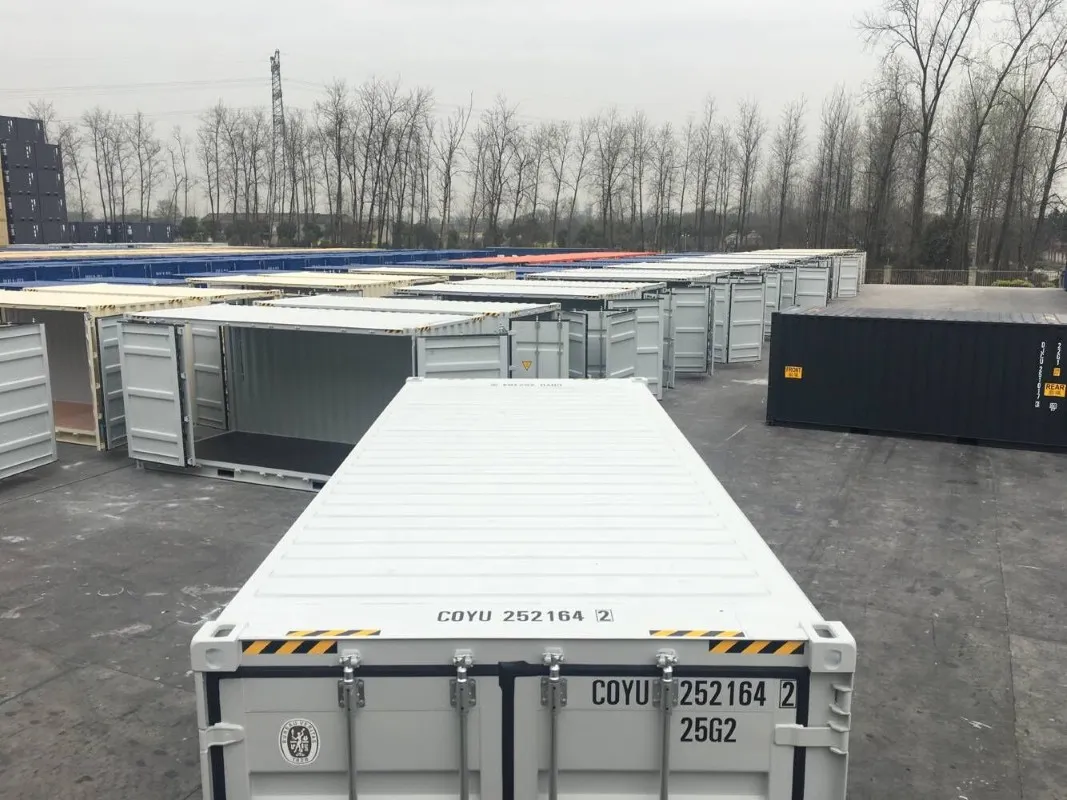
20ft Double Door Container Dimensions
Shipping Containers of London supplies 20ft double door containers for commercial storage, industrial logistics, and modular construction projects across Greater London and surrounding transport areas. A 20ft double door shipping container, also known as a tunnel container, features full sets of opening cargo doors at both short ends of the structure. This dual-access layout speeds up material handling and stock rotation. It allows your teams to enter the unit from either side, eliminating the problem of burying stock at the far end of a standard single-door container.
20ft Double Door External Dimensions
The external measurements determine the physical footprint and space required on your site. You must ensure you plan for enough clear ground at both ends of the unit to operate the doors safely.
| Measurement | Metric | Imperial |
|---|---|---|
| Length | 6,058mm | 20ft 0in |
| Width | 2,438mm | 8ft 0in |
| Height | 2,591mm | 8ft 6in |
While the external frame matches a standard 20ft intermodal footprint, you must verify site layouts carefully. The dual-door configuration requires completely unobstructed operational clearance at both ends so the heavy steel panels can swing back fully without striking fences, gates, or neighboring structures.
20ft Double Door Internal Dimensions
The interior clearance determines the usable space available for your materials, tools, or racking systems. Internal dimensions are comparable to standard units, though the rear door mechanisms alter the interior threshold clearances slightly.
| Measurement | Metric | Imperial |
|---|---|---|
| Internal Length | 5,898mm | 19ft 4in |
| Internal Width | 2,352mm | 7ft 9in |
| Internal Height | 2,393mm | 7ft 10in |
An internal length of 5,898mm provides generous space for long inventory items. The clear door openings at each end provide a width of 2,340mm and a height of 2,280mm, which allows forklift operators to load pallets from either side of the structure to streamline site workflows.
Weight Specifications and Structural Capacities
Reviewing structural load capacities ensures safety and compliance during lifting and freight transport. These figures are permanently stamped into the safety data plate affixed to the exterior door panels:
- Tare Weight: 2,300kg (The unladen weight of the empty steel structure).
- Maximum Payload: 28,180kg (The maximum cargo weight the floor structure can safely hold).
- Maximum Gross Weight: 30,480kg (The absolute maximum legal weight of the container combined with its internal contents).
- Internal Cubic Capacity: 33.2 cubic metres / 1,172 cubic feet (Providing versatile dual-access storage on a compact 20ft ground footprint).
Benefits of Tunnel Containers
Commercial operations throughout London choose these specialized tunnel units to optimize space and improve material handling efficiency. Primary benefits include:
- First-In, First-Out Stock Control: Teams can load new inventory at one end and pull older stock from the other end to keep materials fresh.
- Through-Access Site Layouts: Acting as a secure pedestrian walkway, safety tunnel, or checkpoint gate on busy construction sites.
- Oversized Load Management: Loading long tubes, steel reinforcing bars, or structural timber planks from both ends simultaneously.
- Modular Conversions: Serving as the structural base for retail pop-up stalls, technical generator rooms, or double-ended workshops requiring distinct entry and exit doors.
If you want to buy shipping containers for international freight or hire special containers for domestic storage, we check depot stock levels to guarantee a prompt delivery.
Delivery Constraints and Site Requirements
We deliver your container using a rigid or articulated vehicle equipped with a hydraulic HIAB crane. The operator lifts and unloads the unit from the side of the trailer bed. To prevent failed delivery fees from hauliers, your site must meet specific access rules.
The transport vehicle needs a travel clearance width of at least 3.2 metres and a vertical clearance height of 4.2 metres to clear low bridges or site gates. During offloading, the crane extends to position the container, requiring up to 10 metres of vertical overhead clearance. The entire delivery path and drop zone must remain completely clear of low overhead power cables, overhanging tree branches, and building eaves.
The positioning surface must be flat, level, and solid to distribute the weight evenly across the corner posts. Suitable surfaces include concrete pads, tarmac, or dry compacted gravel. We can also lower the container corner castings directly onto solid timber rail sleepers. Soft ground, loose grass, uncompacted dirt, or wet mud will cause the container to sink unevenly. This twists the steel frame out of alignment, which jams the doors at both ends and prevents the heavy locking rods from turning. Review our full delivery guidelines to prepare your site before transit.
Frequently Asked Questions
Are double door containers as secure as standard shipping containers?
Yes. Both sets of cargo doors feature heavy-duty locking bars, thick high-tensile steel sheets, and industrial rubber weather seals. To ensure maximum security on exposed commercial sites, we can supply integrated steel lock boxes for both ends to shield your padlocks from bolt croppers or angle grinders. You can read more about security on our faqs page.
Are tunnel containers completely wind and watertight?
Yes, we inspect all units at our depot to ensure they remain completely wind and watertight. The double doors feature heavy-duty rubber gaskets that seal tightly against the steel frames, preventing rain water and wind from entering the compartment. This protects moisture-sensitive cargo, building materials, and tools from dampness.
Can a 20ft double door container be used for international shipping?
Yes. We supply premium one-trip new builds that carry full ISO certification and display a valid CSC safety approval plate. The International Convention for Safe Containers plate verifies that the structural integrity of the container meets safety standards for stacking on maritime shipping lines.